Overview
In modern electrical manufacturing, coil winding machines play a critical role in producing transformers, motors, inductors, relays, and other electromagnetic components. However, when choosing equipment, many engineers and factory owners face a common question: Should you choose an automatic coil winding machine or a manual coil winding machine?
In this article, we’ll break down the key differences, advantages, and ideal use cases of both types to help you make the right decision for your production line.
What Is a Coil Winding Machine?
A coil winder is a device used to wind copper or aluminum wire into precise coils. These coils are essential components in electrical and electronic products such as:
- Transformers
- Electric motors
- Inductors
- Solenoids
- Sensors
Depending on production requirements, coil winders can be classified into manual, semi-automatic, and fully automatic systems.
What Is a Manual Coil Winding Machine?
A manual coil winding machine requires human operation to control most or all aspects of the winding process.
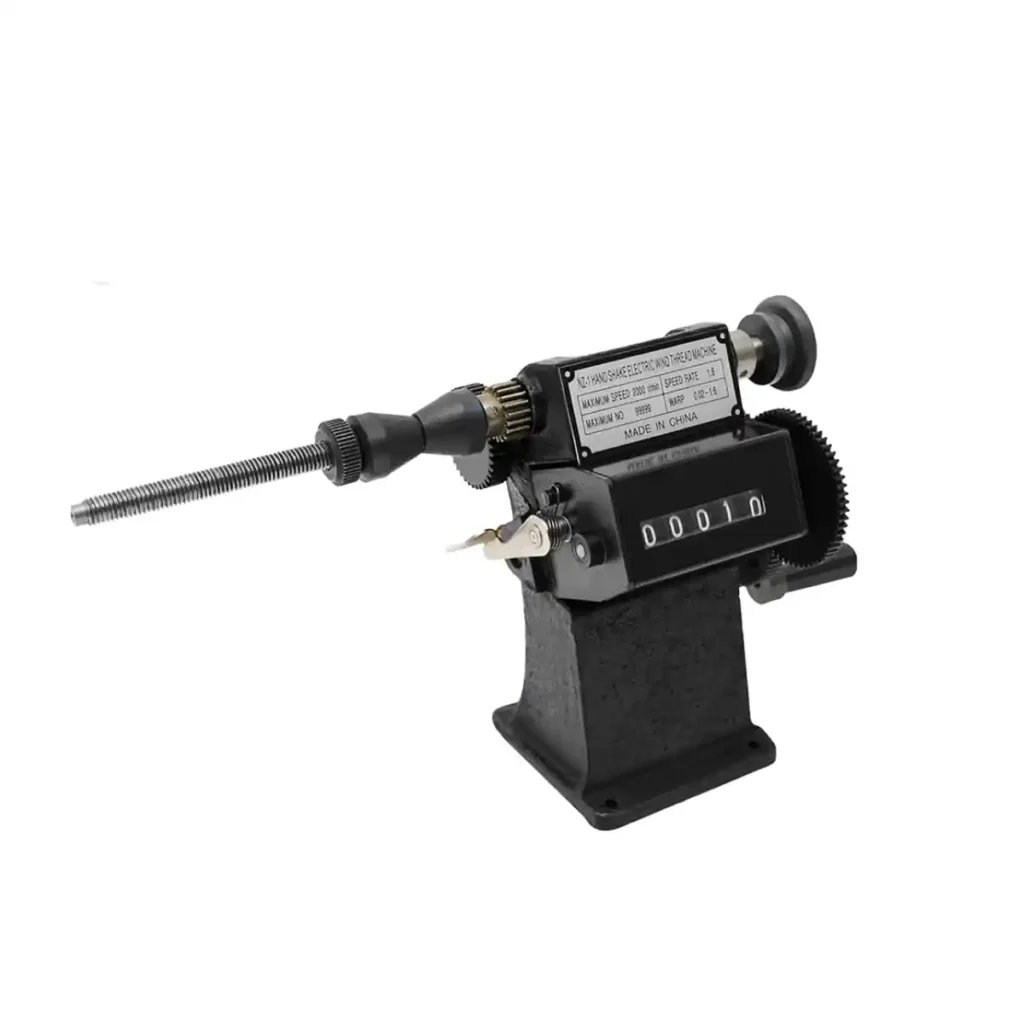
Key Features:
- Operator controls wire tension and winding speed
- Simple mechanical or basic digital interface
- Suitable for small batch production
- Lower initial investment cost
Advantages:
- Affordable and cost-effective for startups or small workshops
- Easy to operate and maintain
- Flexible for custom or prototype coil designs
Disadvantages:
- Low production efficiency
- Inconsistent winding quality due to human error
- Not suitable for mass production
What Is an Automatic Coil Winding Machine?
An automatic coil winding machine is a highly advanced system that uses CNC control or programmable logic controllers (PLC) to automate the winding process.
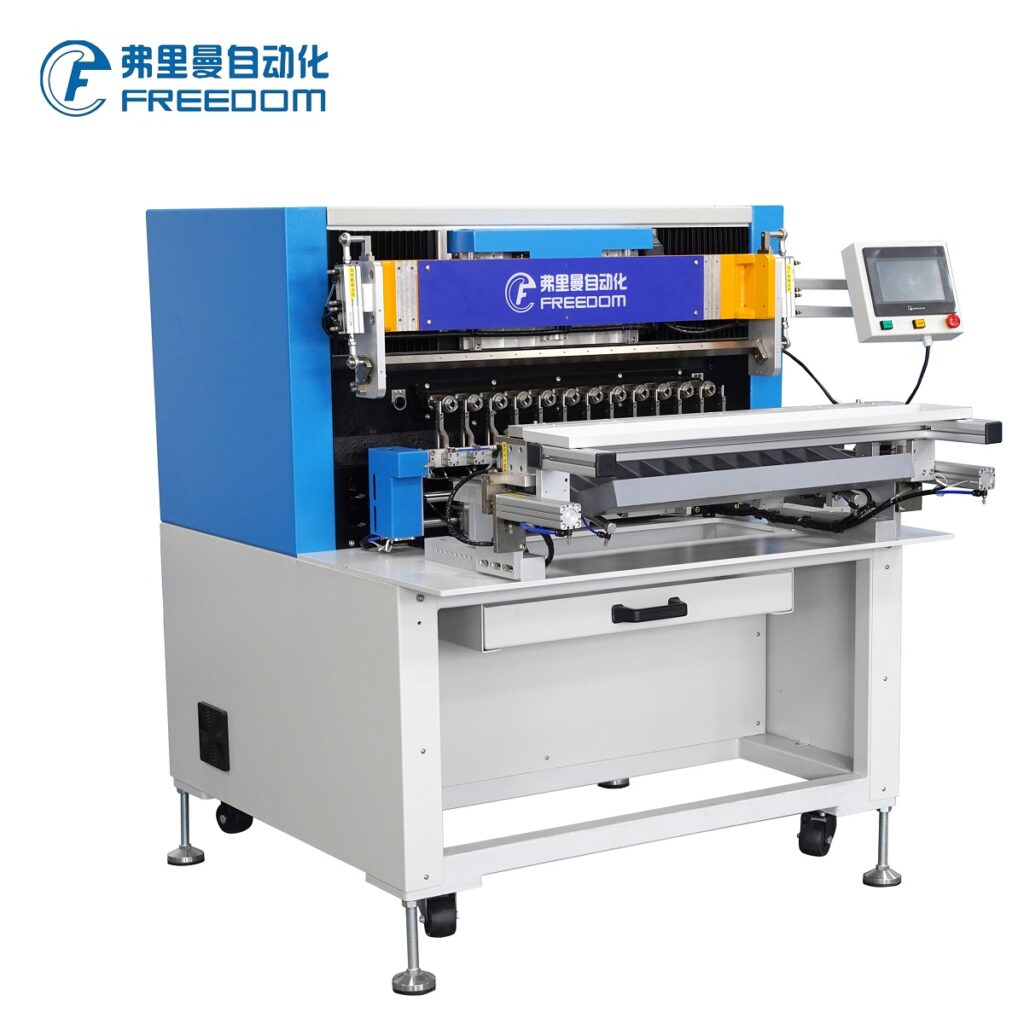
Key Features:
- Fully programmable winding patterns
- Automatic wire tension control
- High-speed operation
- Precision positioning systems
Advantages:
- High production efficiency
- Excellent consistency and accuracy
- Reduced labor costs
- Ideal for mass production environments
Disadvantages:
- Higher initial investment
- Requires technical training for operation and programming
- Maintenance may require specialized support
| Feature | Manual Coil Winding Machine | Automatic Coil Winding Machine |
|---|---|---|
| Operation | Human-controlled | Fully automated |
| Efficiency | Low | High |
| Precision | Moderate | Very high |
| Cost | Low initial cost | Higher investment |
| Production Scale | Small batch | Mass production |
| Skill Requirement | Low | Medium to high |
| Consistency | Operator-dependent | Highly consistent |
Which Winding Machine Should You Choose?
Choosing between manual and automatic coil winding machines depends on your production needs:
Choose Manual Coil Winding If:
- You are a startup or small workshop
- You produce custom or prototype coils
- Budget is limited
- Production volume is low
Choose Automatic Coil Winding If:
- You require large-scale production
- Precision and consistency are critical
- You want to reduce labor costs
- You are upgrading your manufacturing line
Industry Trends: Moving Toward Automation
With the growth of smart manufacturing and Industry 4.0, more companies are shifting from manual systems to automated coil winding solutions. Automation not only improves efficiency but also ensures product stability and reduces long-term production costs.
Why Choose Freeman?
If you are looking for reliable coil winding solutions,Freeman provides a wide range of advanced winding machines designed for different industrial applications.
From precision engineering to scalable production solutions, Freeman focuses on helping manufacturers improve efficiency, accuracy, and output quality.
Conclusion
The difference between automatic and manual coil winding machines lies mainly in efficiency, precision, cost, and production scale. While manual machines are suitable for small-scale or flexible production, automatic machines are the preferred choice for modern industrial manufacturing.
Understanding your production requirements is the key to making the right investment decision.
